
9 out of 10 people who visit the outdoors are not informed about Leave No Trace and minimising their impacts. Leave No Trace training is helping to instil an outdoor ethic in all those who enjoy spending time outside.
Increased recreation and activity in nature and the outdoors adds pressure, not only for nature and wildlife but also to landowners and custodians of the land. An increase in human impact can result in new or tighter regulations being imposed, or in some cases, conflicts between recreational users and those charged to manage or work the land. A widespread awareness of Leave No Trace will go a long way in protecting these outdoor spaces and maintaining goodwill towards visitors and those enjoying the outdoors for recreation.
Some negative impacts…
Fires in the outdoors
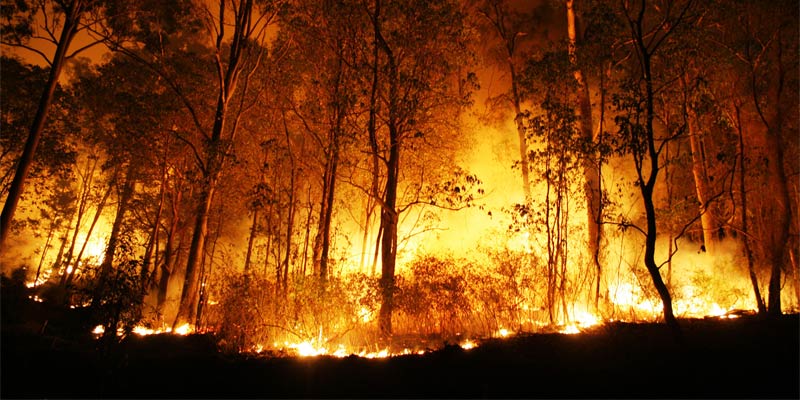
In the case of campfires and barbeques, we know that camping and campfires can result in severe consequences for the environment. The damage caused by careless lighting of campfires can be significant. For example, in one case in Wexford, a single disposable barbecue is believed to be the cause of a wildfire that destroyed 13 acres of sand dune in Curracloe, and there have been more recent instances of extensive damage to land in Co. Dublin and Co. Wicklow. In a recent fire in Killarney National Park in 2021, between 2500 and 3000 hectares of the park have been impacted by the three-day blaze, an active Hen harrier nest was destroyed and the hunting grounds for 3 other pairs were lost. Countless other animals were killed.
Feeding Wildlife
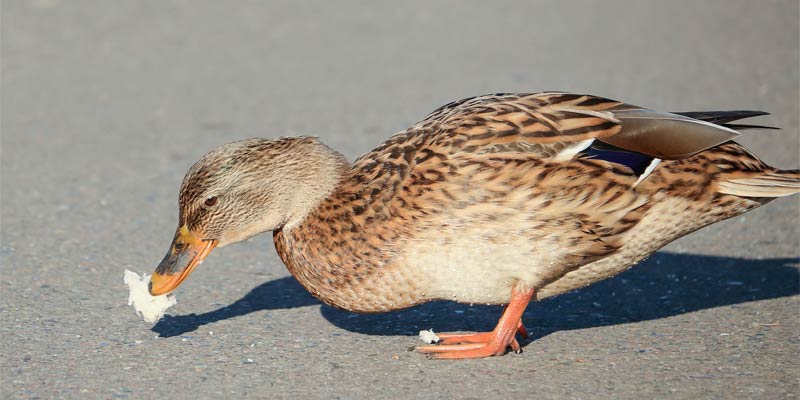
Feeding wildlife damages their health, alters natural behaviours and exposes them to predators and other dangers. Their reliance on human food is a detriment to their own well-being and this becomes harmful to wildlife as they stop foraging for the nutritious diet ordinarily derived from their natural environment. for example serious illness or death can occur when wildlife or livestock consume foil food wrappers, plastics and other “inedible bits”. Never feed animals or wildlife , be careful not to drop food on the track as you walk.
Overcrowding

In recent times, outdoor areas in Ireland have experienced a surge in visitors. This has led to an increase in irresponsible behaviours such as blocking entrances, overcrowded parks, littering, a lack of consideration for other users and parking congestion.
Evidence Based Programme
Leave No Trace Ireland co-ordinates a continuous stream of research, to provide relevant and up-to-date social and environmental knowledge to underpin the Leave No Trace message in Ireland. Leave No Trace Ireland currently have Ph.D. and Master research programmes. For further information on Leave No Trace Ireland research follow the link below.
To find out more about the international research conducted by The Leave No Trace Center for Outdoor Ethics please visit https://lnt.org/research-resources/
